Caught in the Crossfire: What the US-Iran Conflict Means for India

Mar 5, 2026
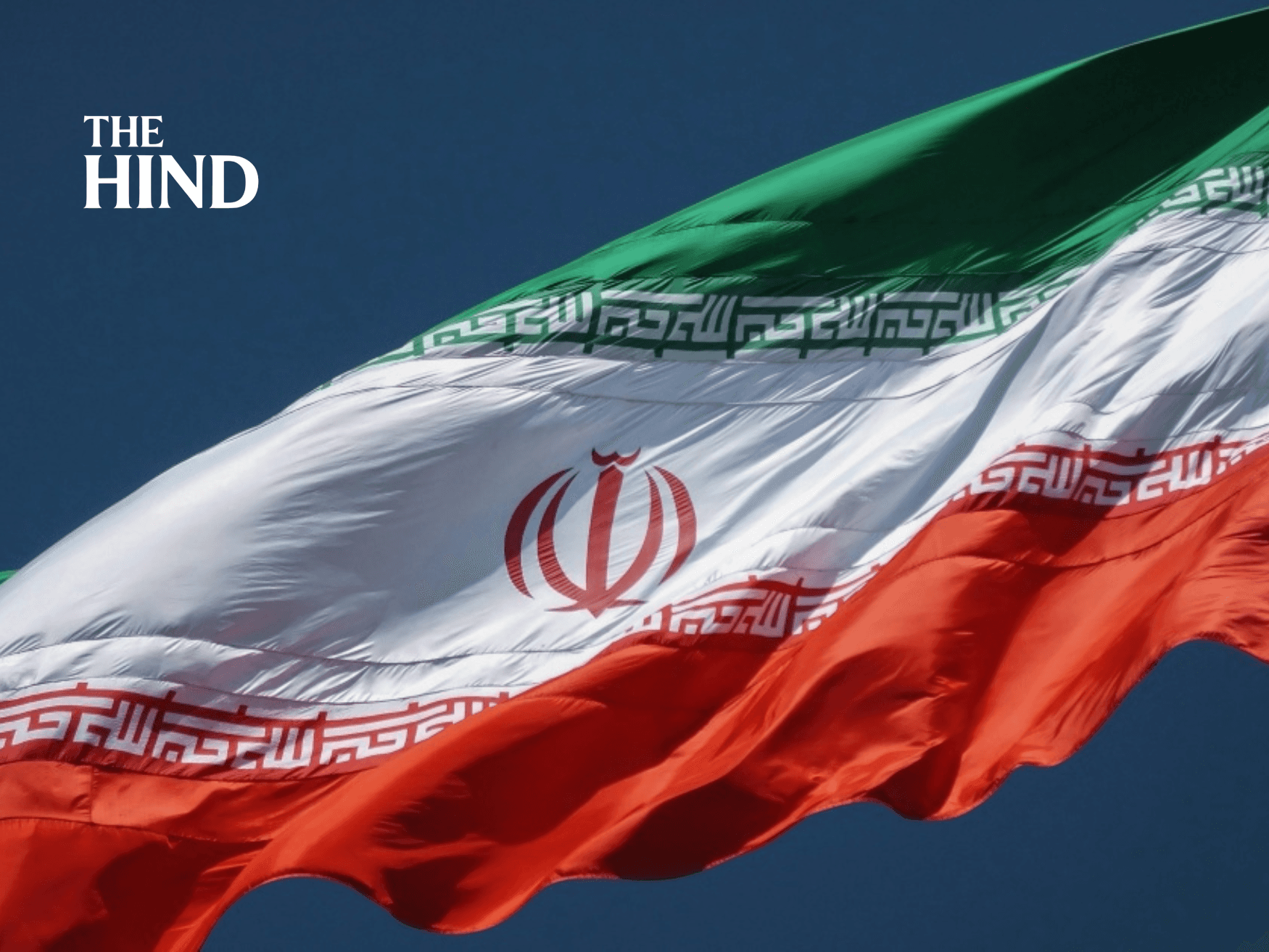
In the early hours of February 28, 2026, the United States and Israel launched coordinated strikes on Iran — targeting nuclear facilities, missile sites, and naval assets in what Washington called "Operation Epic Fury." Within days, the Middle East was at war. And India, despite not firing a single shot, found itself squarely in the line of consequence.
For New Delhi, the US-Iran conflict is not a distant theatre. It is an immediate crisis that strikes at the heart of India's energy security, economic stability, diaspora welfare, and long-term strategic positioning. How India manages the coming months — and what it demands from all parties — will shape its standing in the emerging world order.
The Energy Shock India Cannot Afford
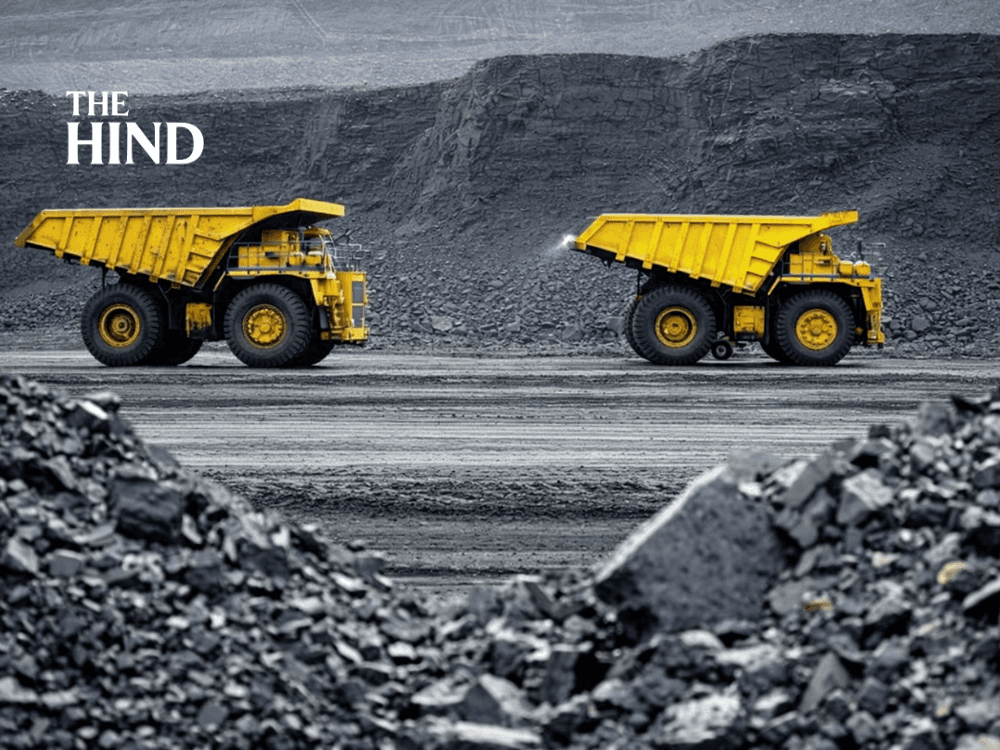
India imports nearly 85% of its crude oil. Around half of those imports transit the Strait of Hormuz — the narrow waterway now severely disrupted by the conflict. The result has been swift and severe. Brent crude surged over 10% within days of fighting breaking out, with analysts warning of further escalation if the disruption holds. For a country targeting 7% GDP growth in 2026, a prolonged oil shock carries serious macroeconomic consequences — driving up the import bill, pressuring the rupee, and stoking inflation.
India's civil aviation sector is feeling the heat too. Westbound flights from India traverse Iranian airspace. With that corridor now restricted, airlines are being forced onto longer, costlier routes. The weekly impact on Indian and international carriers operating out of India has been conservatively estimated at around ₹875 crore — a figure that will only grow if the conflict drags on.
India has been actively diversifying its crude supply — a strategy that now proves its foresight. Engagements with alternative suppliers, including Gulf partners and others, reflect the kind of long-term energy planning that India has steadily built over the past decade. But no amount of diversification fully insulates a large import-dependent economy from a conflict of this scale and location.
The disruption is also reaching India's factory floors. In Gujarat's Morbi — the ceramic tile hub — gas consignments from the Gulf are stuck at the Strait of Hormuz. The ripple effects of a West Asian war are being felt deep inside India's manufacturing economy, underscoring just how structurally connected India is to this region.
India's Diplomatic Position — Interest, Not Alignment
India's approach to the US-Iran conflict reflects something more deliberate than mere fence-sitting. It reflects a mature understanding that India's interests in West Asia are multidimensional — and that protecting them requires engagement with all parties, not alignment with any single bloc.
New Delhi has consistently called for de-escalation and a return to dialogue. Prime Minister Modi has spoken with leaders across the region — the UAE President, the Saudi Crown Prince, the Bahraini King, Israeli PM Netanyahu, and Iranian President Pezeshkian — emphasising the importance of restraint and the protection of civilian lives. This breadth of engagement is itself a signal: India will not be corralled into taking sides in a conflict that serves none of its core interests.
India's particular concern for Gulf stability is well-founded. Over 10 million Indian citizens live and work across Gulf states. Their safety, livelihoods, and remittances form a vital pillar of India's economic and social fabric. Any escalation that destabilises the Gulf directly threatens Indian lives and Indian households. New Delhi's strong engagement with Gulf leaders is therefore not alignment — it is the protection of its own people.
India's doctrine of strategic autonomy has never meant equidistance for its own sake. It has meant the freedom to act in India's interest, on India's terms. In West Asia today, that means urging all parties toward a ceasefire, keeping diplomatic channels open with Tehran and Washington alike, and ensuring that India's energy, trade, and diaspora interests are shielded as far as possible from the fallout of a war it had no part in starting.
The Chabahar Imperative
Nowhere is India's long-term strategic stake more visible than in Chabahar. India signed a 10-year contract in 2024 to develop and operate the Shahid Beheshti port — a project central to India's connectivity ambitions in Afghanistan and Central Asia, and a structural alternative to China's CPEC corridor through Pakistan.
The conflict creates new uncertainties around Chabahar's operational continuity. But India's commitment to the project remains a statement of strategic intent. Chabahar is not merely an infrastructure investment — it is a geopolitical footprint. It gives India access to landlocked markets, reduces dependence on Pakistan for overland trade, and positions India as a serious player in Eurasian connectivity.
Whatever the post-conflict political landscape in Iran looks like, India's presence in Chabahar ensures it remains a relevant and engaged partner — not a country that walked away when the going got difficult.
What India Needs From This Conflict
India's national interest is unambiguous: an early ceasefire, a reopening of Hormuz, and a return to regional stability. Every week of conflict costs India in oil prices, aviation losses, supply chain disruptions, and diaspora exposure. A prolonged war is simply not in India's interest — and India has been saying so, clearly and consistently, in every multilateral forum available to it.
That means actively supporting ceasefire efforts being led by Oman, Qatar, and Turkey. It means using India's unique positioning — as a country with working relationships across Washington, Tehran, Riyadh, and Moscow — to serve as a quiet but effective channel for communication. And it means ensuring that India's voice in bodies like the UN, the G20, and the Shanghai Cooperation Organisation continues to be heard as one that speaks for stability, not for any single power's agenda.
India is not a bystander in West Asia. It never was. The region is home to its people, its energy, and its trade. The question now is how effectively India can translate that deep stake into diplomatic leverage — protecting its interests while helping steer a dangerous conflict toward resolution.
In a world increasingly defined by great power competition, India's ability to remain a credible, independent voice for peace may be one of its most valuable strategic assets. This crisis is a test of that ability — and New Delhi has both the relationships and the responsibility to meet it.
The Hind covers policy, power, and strategic affairs from India's perspective. Views expressed are analytical and editorial
Type something …
Search
Latest Post
The US-Iran conflict has sent oil prices surging, closed Indian airspace corridors, and disrupted su...
Mar 5, 2026