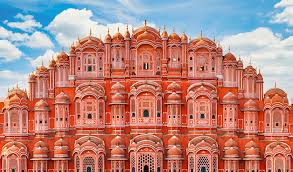
Jaipur is one of India’s finest examples of pre-modern urban planning. Its grid layout, astronomical observatories, and craft-centric bazaars demonstrate an advanced synthesis of science, governance, and design. The city embodies how knowledge was institutionalised through architecture—where markets, palaces, and public spaces formed an integrated civic vision.
Today, Jaipur remains a vibrant centre for craft, tourism, and cultural entrepreneurship. Its artisans, designers, and heritage institutions show how traditional skills adapt to global markets. The city offers a model for understanding urban resilience, cultural economy, and the politics of heritage in a rapidly expanding urban India.