After the Ballot: What Bangladesh’s Elections Mean for India
Feb 15, 2026
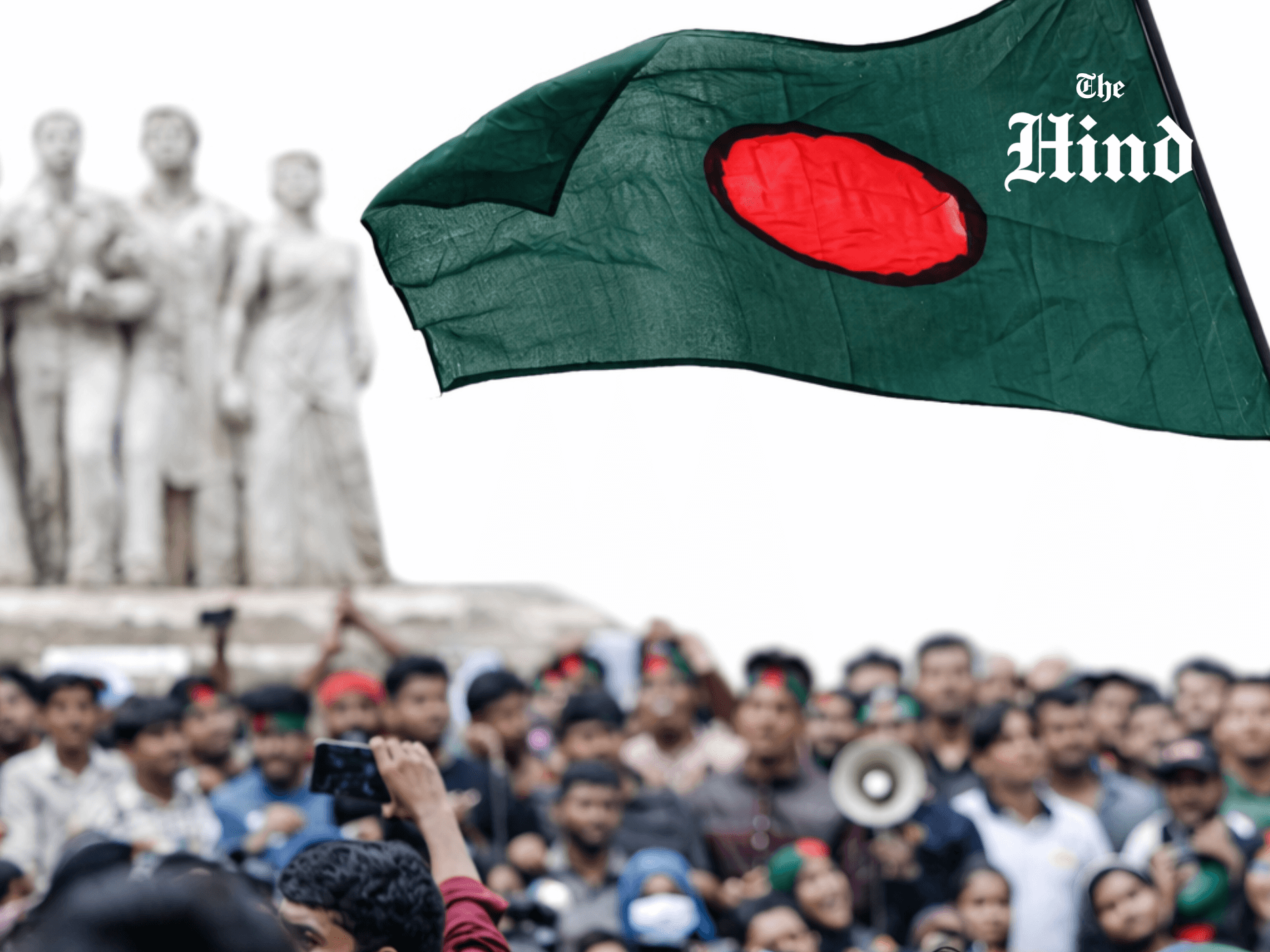
Bangladesh’s general election on 12 February 2026 marks a decisive political shift. The Bangladesh Nationalist Party, led by Tarique Rahman, secured a commanding parliamentary majority, winning roughly 212 of 300 seats in what observers have described as one of the most competitive elections in decades.
The result follows the dramatic events of July 2024, when a student-led uprising ended Sheikh Hasina’s 15-year tenure and triggered a period of constitutional uncertainty and political restructuring. The 2026 vote formalizes that transition.
For India, the implications are immediate and strategic.
A Moment for Bilateral Reset
New Delhi moved quickly after the results were announced. Prime Minister Narendra Modi congratulated Tarique Rahman and reaffirmed India’s commitment to peace, development and stable bilateral ties. India’s decision to send Lok Sabha Speaker Om Birla to the swearing-in ceremony signaled that engagement would remain high-level.
These gestures suggest that India intends to stabilize relations early rather than allow political shifts in Dhaka to create prolonged uncertainty.
The tone matters. Relations had grown complicated in the aftermath of the 2024 upheaval and Sheikh Hasina’s departure from power. A new government provides space for recalibration.
Security Cooperation and Historical Sensitivities
India–Bangladesh ties have never been insulated from domestic politics.
During the BNP’s previous period in office from 2001 to 2006, cooperation with India was uneven, particularly on security coordination and insurgent activity along the border. The subsequent Hasina years saw closer collaboration on counter-terrorism, intelligence sharing and border management.
The BNP’s return does not automatically imply a reversal. But it does require careful diplomacy.
Key areas that will demand attention include:
Border security and insurgent management
Counter-terrorism coordination
Water-sharing negotiations, including the Teesta issue
Protection of minority communities
Trade and connectivity corridors
These issues blend cooperation with sensitivity. The durability of ties will depend on how they are managed in the early months of the new government.
Regional Competition and Strategic Balance
Bangladesh occupies a critical geographic position in South Asia. Its political alignment affects not only India but also China and, to a lesser extent, Pakistan.
Infrastructure financing, connectivity projects and defense cooperation have become instruments of influence across the region. For India, maintaining constructive ties with Dhaka is central to securing its eastern flank and protecting access routes near the narrow Siliguri corridor.
The change in leadership does not automatically shift Bangladesh’s foreign policy orientation. But it opens a phase in which competing regional actors may test diplomatic space.
People-to-people connections, particularly between West Bengal and Bangladesh, remain an underutilized stabilizing factor. Cultural and economic exchanges can reinforce trust beyond formal diplomatic channels.
Domestic Political Variables
Despite the electoral outcome, Bangladesh’s internal political environment remains complex.
Sheikh Hasina has rejected the results and remains politically relevant from abroad. Her continued presence in India adds a sensitive dimension to bilateral discourse.
At the same time, the Jamaat-e-Islami has emerged as a significant opposition force in parliament. Its parliamentary presence introduces additional ideological and political variables into governance dynamics.
For India, this environment underscores the need for calibrated engagement. Stability in bilateral relations will require attention not only to government-to-government ties but also to broader political sentiment.
Economic and Connectivity Stakes
Economic integration between India and Bangladesh has expanded steadily over the past decade. Bangladesh is among India’s largest trading partners in South Asia. Cross-border energy trade, transport links and infrastructure corridors have deepened interdependence.
A stable government in Dhaka creates opportunities to move forward on projects that have slowed in recent years, including water resource discussions and connectivity enhancements.
Economic continuity will be one of the strongest anchors of bilateral stability.
The Strategic Test
The 2026 election marks more than a leadership change. It represents a recalibration of Bangladesh’s domestic political landscape at a moment of regional flux.
For India, the priorities are clear:
Preserve security cooperation
Reinforce economic integration
Avoid politicizing bilateral engagement
Respect sovereign political processes
Bangladesh’s internal political transition need not translate into strategic divergence. But continuity will depend on sustained diplomatic attention and mutual pragmatism.
The coming year will reveal whether this political turning point becomes a source of friction or an opportunity for renewal in one of India’s most important neighborhood relationships.
Type something …
Search