India’s Defence Budget 2026–27: What It Means for India

Feb 11, 2026
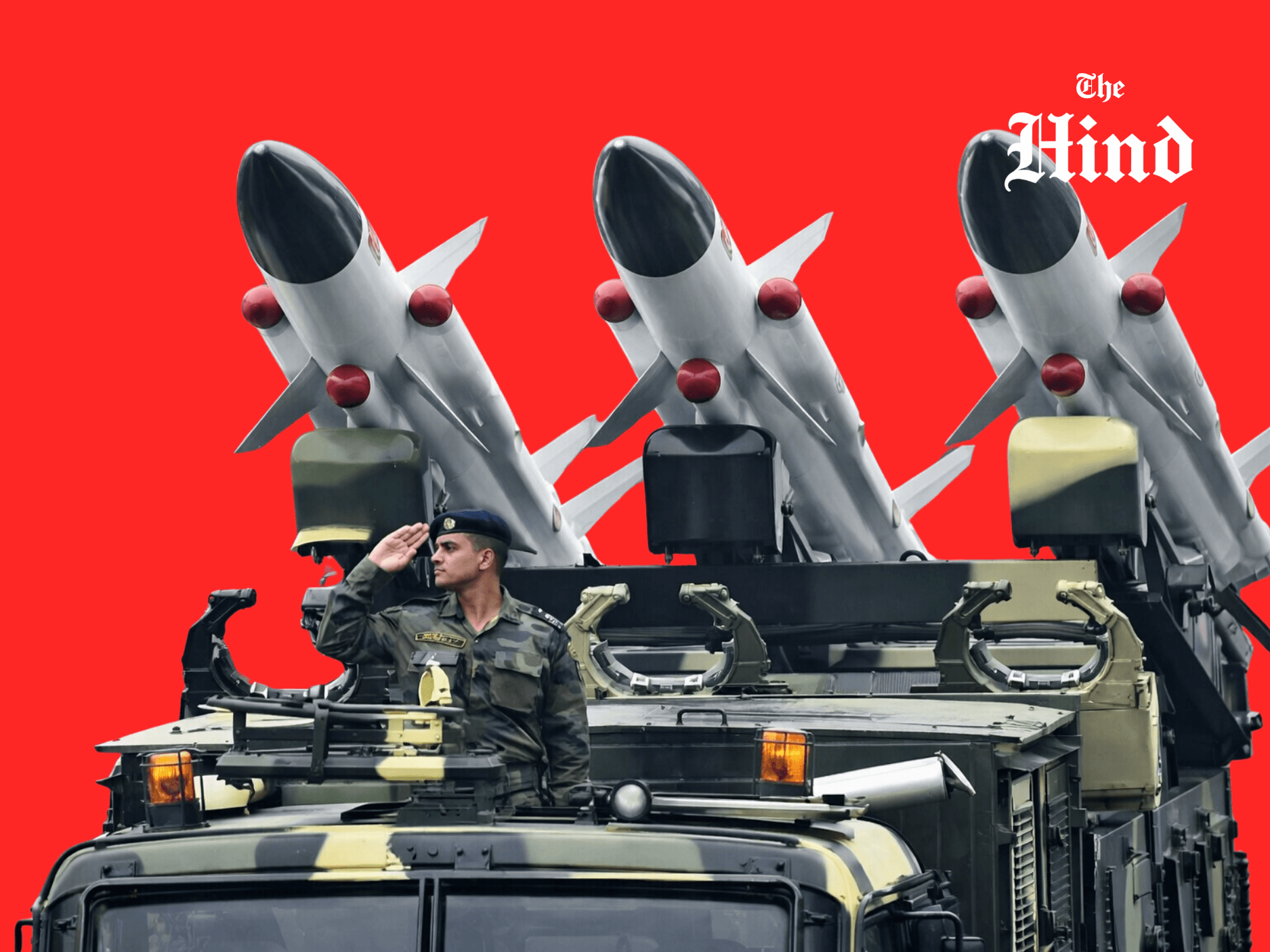
The Union Budget for 2026–27 allocates ₹7.85 lakh crore to the Ministry of Defence, the largest defence outlay in India’s history. The headline number matters, but the structure of the allocation matters more. It reflects how New Delhi reads its security environment: unresolved continental tensions, intensifying maritime competition, and a technological race reshaping modern warfare.
This is not simply a fiscal expansion. It is a strategic signal.
A Turn Toward Modernisation
A substantial portion of the allocation is directed toward capital expenditure, with more than ₹2 lakh crore earmarked for new acquisitions and modernization. That shift indicates intent. India is investing in platforms and capabilities rather than merely sustaining legacy structures.
The emphasis is visible in aircraft induction, naval assets, missile systems, drones and networked warfare systems. The logic is clear. Deterrence today depends less on numbers and more on capability density.
For a country facing adversaries with larger defence budgets, modernization is not optional. It is the only way to preserve balance.
Deterrence in a Competitive Theatre
India’s security environment remains complex. The northern border continues to demand sustained attention. At the same time, the Indian Ocean and wider Indo-Pacific are emerging as theatres of strategic competition.
Defence budgets are interpreted globally as indicators of resolve. A record allocation signals that India intends to maintain credible deterrence and regional relevance.
However, deterrence credibility depends not on spending alone, but on visible and deployable capability. Procurement timelines, force readiness and integration across services will determine whether financial commitment translates into strategic weight.
Rebalancing Capital and Revenue
Historically, India’s defence budget has been heavily weighted toward revenue expenditure, including salaries and pensions. The 2026–27 allocation shows a continued effort to improve the balance between revenue and capital spending.
This structural correction is significant. Modern armed forces require sustained investment in equipment, research and infrastructure. Without that shift, modernization remains constrained.
The gradual rebalancing suggests that fiscal discipline is being aligned with long-term security planning.
Defence Production and Strategic Autonomy
The budget reinforces the push for greater domestic production under the Atmanirbhar framework. Increased allocations for indigenous procurement and research indicate that self-reliance in defence manufacturing remains a priority.
Reducing dependence on imports is not only an economic objective. It strengthens operational flexibility and reduces vulnerability to supply disruptions.
Expanding the role of private industry and integrating smaller firms into defence supply chains reflects an understanding that industrial depth is inseparable from military capability.
Maritime and Technological Emphasis
India’s geography shapes its priorities. A growing focus on naval modernization, maritime surveillance and long-range strike systems reflects the importance of securing sea lanes and protecting trade routes.
At the same time, investment in drones, space-based assets, electronic warfare and integrated command systems signals a transition toward technology-enabled deterrence. Modern conflict is increasingly multi-domain. India’s budget structure acknowledges that shift.
The Economic Dimension
A defence allocation of this scale requires sustained economic growth. Security spending ultimately rests on macroeconomic performance. Efficiency in procurement and timely project execution will determine how effectively resources are converted into capability.
Fiscal credibility and strategic ambition must move together.
What the Budget Signals
To partners, the allocation conveys seriousness. India intends to shoulder greater regional security responsibilities.
To adversaries, it communicates continuity and resolve. Modernization will proceed, not stall.
To domestic industry, it reinforces defence production as a strategic growth sector.
The Real Test
The ₹7.85 lakh crore figure is a milestone. But budgets are commitments on paper. The strategic outcome depends on implementation: faster acquisitions, industrial depth, integration across services, and measurable improvements in readiness.
If executed effectively, the 2026–27 defence budget will strengthen deterrence, enhance autonomy and reinforce India’s role as a central security actor in the Indo-Pacific.
If delayed or diluted, the opportunity narrows.
In 2026, defence spending is not just expenditure. It is strategy in motion.
Type something …
Search