India’s Strategy for Critical Minerals and Strategic Autonomy

Feb 12, 2026
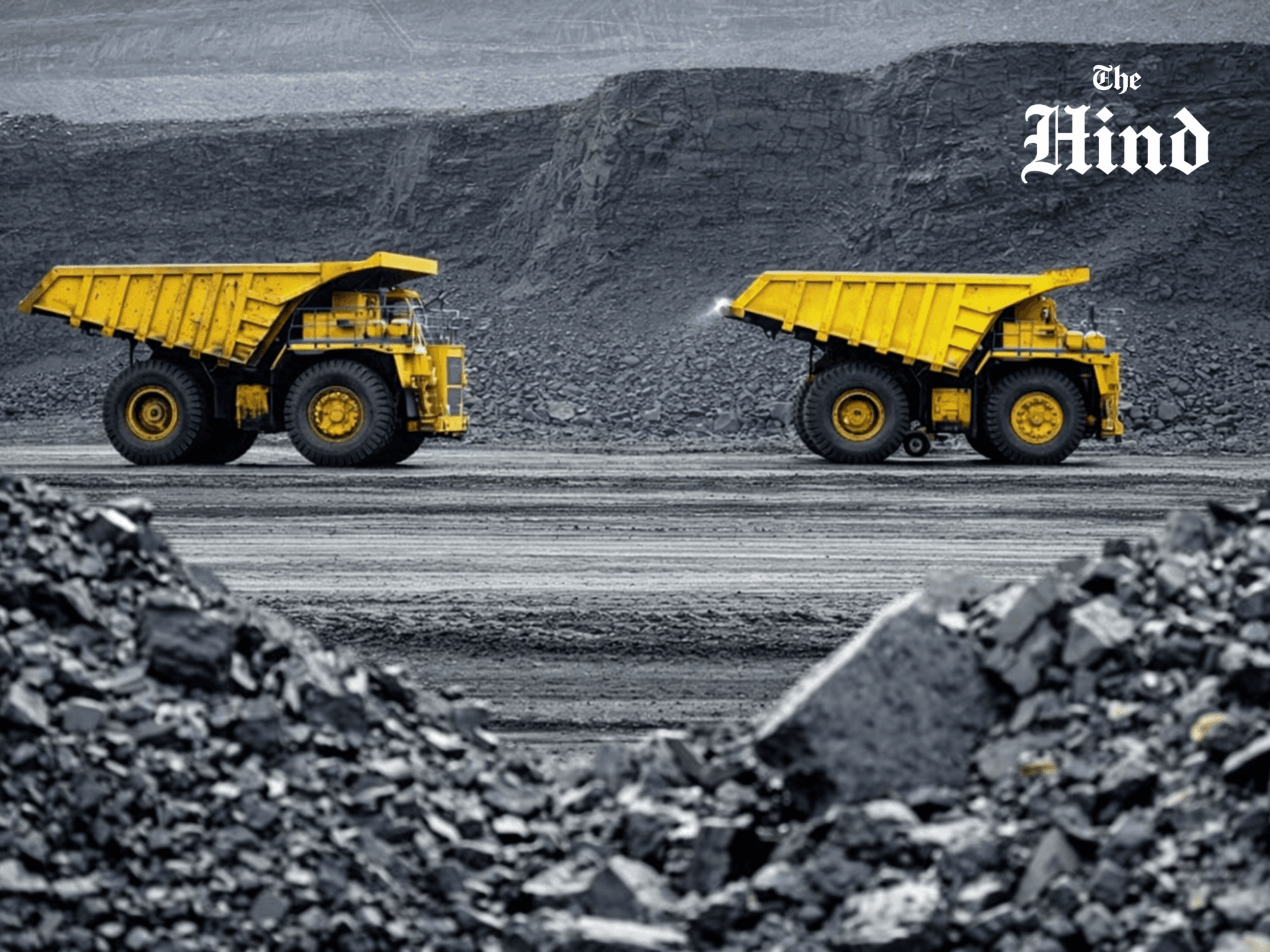
In the twenty-first century, power is shaped less by oil reserves or territorial depth and more by control over supply chains. Lithium, cobalt, nickel, graphite and rare earth elements now sit at the foundation of electric vehicles, batteries, renewable energy systems, semiconductors and advanced defence platforms.
For India, access to these materials is no longer a narrow industrial issue. It is a strategic question.
As global supply chains fragment and major powers use trade and technology controls as instruments of leverage, the vulnerability embedded in mineral dependence has become clearer. India’s challenge is straightforward but urgent: accelerate industrial transformation without locking itself into new forms of dependency.
Why Critical Minerals Matter
India’s energy transition ambitions are ambitious. Expansion of solar and wind capacity, rapid electrification of mobility, battery storage deployment and green hydrogen production all depend on mineral-intensive technologies.
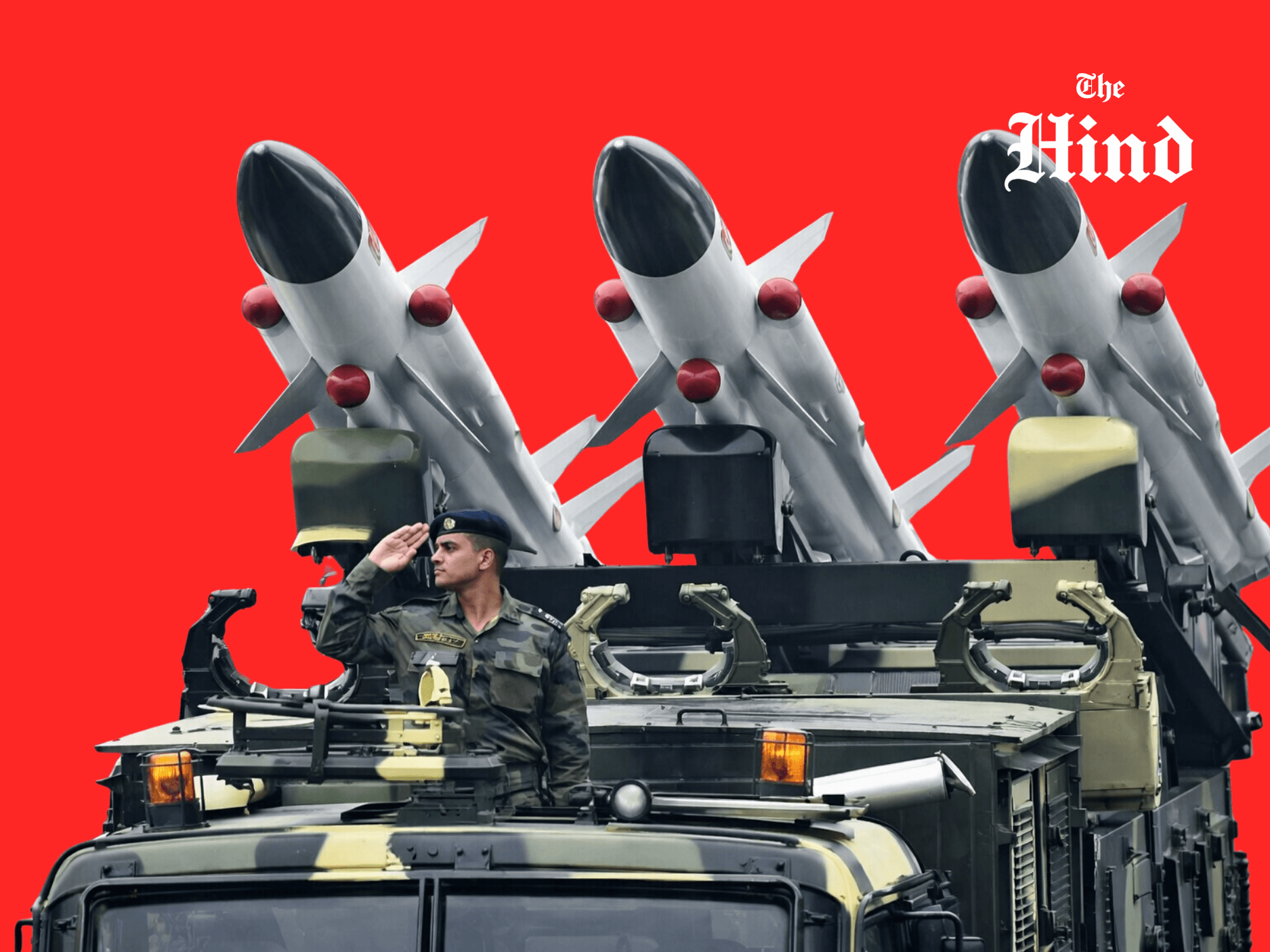
Electric vehicle batteries require lithium, nickel, cobalt and graphite. Wind turbines and advanced electronics depend on rare earth elements. Modern defence systems, from radar arrays to precision guidance components, rely on specialized materials with limited global suppliers.
If mineral supply chains are unstable, the entire clean energy and defence modernization agenda slows down.
The Risk of Global Concentration
The global production and processing of many critical minerals is highly concentrated.
Lithium extraction is dominated by a handful of countries. Cobalt production is heavily concentrated in the Democratic Republic of Congo. Rare earth processing capacity is overwhelmingly located in China.
This concentration creates structural risk. A regulatory shift, geopolitical dispute or logistical disruption in a single region can reverberate across industries worldwide.
For India, which imports the bulk of many high-value minerals and processed materials, exposure is significant. Dependency has shifted from crude oil alone to a broader basket of strategic inputs.
India’s Emerging Strategy
India’s approach has evolved in recent years from passive import reliance to active resource planning.
Domestic Exploration
Geological surveys have intensified. The identification of lithium resources in Jammu and Kashmir has drawn policy attention, even if commercial extraction timelines remain uncertain. Domestic discoveries may not eliminate import dependence, but they diversify risk and improve long-term optionality.
International Partnerships
India has expanded engagement with mineral-rich nations in Africa, Latin America and Australia. Bilateral agreements, joint ventures and development partnerships aim to secure upstream access rather than depend solely on open markets.
This shift reflects a recognition that resource security now requires diplomatic engagement.
Policy and Institutional Reform
The government has formally identified a list of critical minerals, enabling targeted incentives, streamlined clearances and consideration of strategic stockpiles. This marks a move toward treating minerals as strategic assets rather than commodities.
Processing Is the Real Bottleneck
Access to raw ore is only part of the equation. Processing and refining determine value capture.
A large share of global lithium and rare earth refining occurs outside India. Without domestic processing capacity, upstream access does not translate into autonomy.
Investment in refining facilities, materials science research and advanced chemical processing will determine whether India participates meaningfully in high-value segments of the supply chain or remains dependent on imported intermediates.
Defence and Mineral Security
Modern defence systems depend on materials with specialized performance characteristics. Aerospace alloys, electronics components and advanced communication systems all require minerals with constrained supply chains.
Strategic autonomy in defence therefore extends beyond weapons platforms to the materials embedded within them.
This is why mineral strategy increasingly overlaps with national security planning.
Recycling and the Circular Path
Mining alone cannot guarantee long-term resilience. Recycling and secondary recovery must become central pillars.
Battery recycling, rare earth recovery and electronic waste processing offer pathways to reduce dependence on primary imports. Developing domestic recycling ecosystems also lowers environmental impact and builds industrial capability.
Circular supply chains are strategic assets.
Strategic Implications
Mineral Security Is Energy Security
India’s renewable and electric mobility targets depend on reliable mineral access. Without it, the energy transition slows.
Industrial Policy Must Align With Diplomacy
Trade agreements, development finance and foreign partnerships must support mineral acquisition and processing strategies. Resource security is now a foreign policy objective.
Delay Carries Cost
Global competition for mineral assets is intensifying. Early movers secure supply at better terms. Late entrants pay higher premiums and face tighter constraints.
The Strategic Decade Ahead
Critical minerals sit at the intersection of energy transition, defence modernization and industrial competitiveness. The question for India is not simply whether it can access these materials, but whether it can shape the value chains around them.
Strategic autonomy in this decade will not be measured by oil fields alone. It will be measured by contracts, processing plants, refining capacity and technological capability.
India’s mineral strategy over the next ten years will determine whether it becomes a serious player in clean technology and advanced manufacturing, or remains exposed to concentrated and contested global supply chains.
Type something …
Search