India’s FTA Moment: Rewriting Trade Strategy in a Fragmented World

Feb 13, 2026

By 2026, India has entered one of the most consequential phases in its trade policy history. After years of caution, New Delhi is moving decisively — concluding major agreements, advancing negotiations with key partners, and repositioning itself in a fragmented global trading system.
Trade policy is no longer treated as a narrow commercial exercise. It has become a tool of geostrategic diversification.
The India–EU Breakthrough
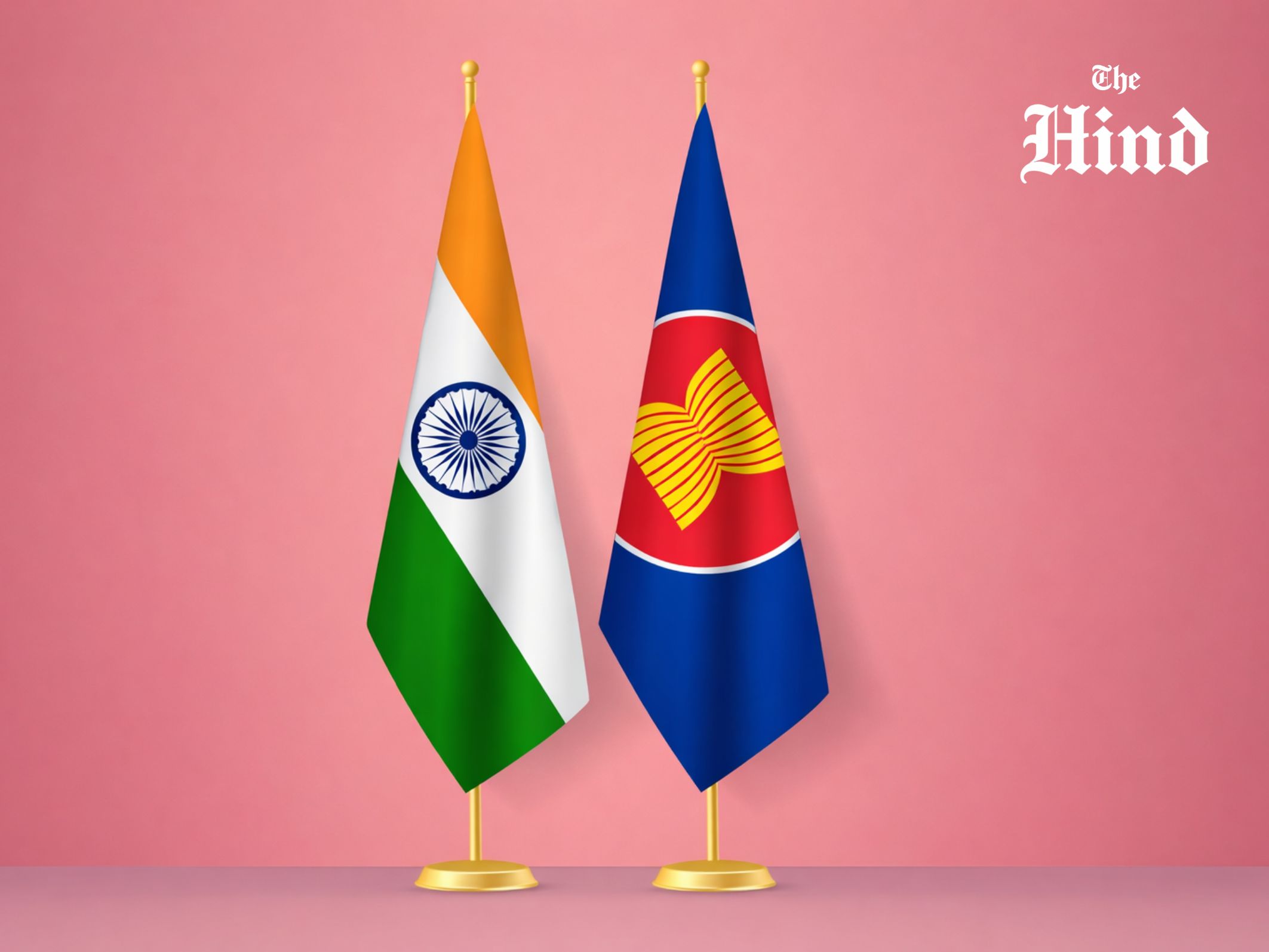
In January 2026, India and the European Union concluded negotiations on a long-pending Free Trade Agreement after nearly two decades of intermittent talks. It is widely regarded as the most ambitious trade pact India has negotiated.
The EU has been one of India’s largest trading partners, with bilateral merchandise trade around $135–140 billion in recent years. The agreement provides preferential access for the vast majority of Indian exports while allowing India to shield politically sensitive sectors.
The significance extends beyond tariff reductions. At a time when global supply chains are being restructured, the deal anchors India more firmly within European markets. It also signals that Brussels sees India as a long-term strategic partner in an era of economic realignment.
Recalibrating With the United States
Parallel to the EU breakthrough, India has advanced discussions with the United States toward an interim trade framework in early 2026. The United States remains India’s single largest export destination.
Talks have focused on market access, tariff rationalisation and broader economic cooperation. The strategic calculus is clear: deeper economic integration with Washington strengthens supply-chain diversification and reinforces the broader strategic partnership.
At the same time, domestic sensitivities remain. Trade negotiations with the United States carry implications for agriculture, manufacturing competitiveness and trade balance concerns. The challenge lies in deepening access without triggering structural imbalance.
The UK Agreement Moves to Implementation
The India–United Kingdom trade agreement, signed in 2025, is moving toward operationalisation in 2026. The UK market offers expanded access for Indian goods and services, particularly in technology, pharmaceuticals, textiles and professional services.
Beyond trade flows, the agreement reinforces financial and investment linkages. For India, closer integration with the UK strengthens connections to global capital markets and high-value services sectors.
A Broader Network Takes Shape
India’s trade footprint now spans multiple regions. Agreements with the UAE, Australia and the European Free Trade Association have widened market access and diversified export channels.
Government data indicate that India now has trade agreements or preferential arrangements covering dozens of partner countries. This network reduces overdependence on any single geography and embeds India more deeply in global value chains.
The pattern is deliberate. Diversification is risk management.
Domestic Debate and Political Balance
Large trade agreements inevitably generate domestic debate. Concerns have been raised about agricultural vulnerability, small-scale producers and exposure to competition.
The government has responded by emphasizing calibrated liberalisation — protecting sensitive sectors such as dairy and staple crops while pursuing export gains in manufacturing and services.
The political balancing act is central to sustainability. Trade integration must coexist with domestic economic stability.
Trade as Strategic Instrument
India’s 2026 trade approach is more targeted than in previous decades. Agreements increasingly include services, digital trade provisions, mobility frameworks and investment facilitation.
Tariff reduction is no longer the sole objective. Trade agreements are now designed to:
Strengthen supply-chain resilience
Attract investment and technology
Expand market access for high-value exports
Align economic partnerships with geopolitical priorities
This marks a maturation of trade policy. Integration is being treated as strategic positioning.
A Structural Shift
After years of hesitation following withdrawal from the Regional Comprehensive Economic Partnership, India’s trade posture has clearly evolved.
The EU agreement signals scale.
The U.S. negotiations signal strategic alignment.
The UK deal reinforces high-value service linkages.
The broader FTA network spreads risk across regions.
In a polarized global economy, India is not retreating from trade. It is reshaping the terms of engagement.
Trade agreements in 2026 are not merely about exports and imports. They are instruments for embedding India in new supply chains, expanding diplomatic leverage and strengthening economic resilience.
The shift is not incremental. It is structural.
Type something …
Search