India's Gold Problem: The Hidden Driver of a Widening Deficit

Mar 5, 2026
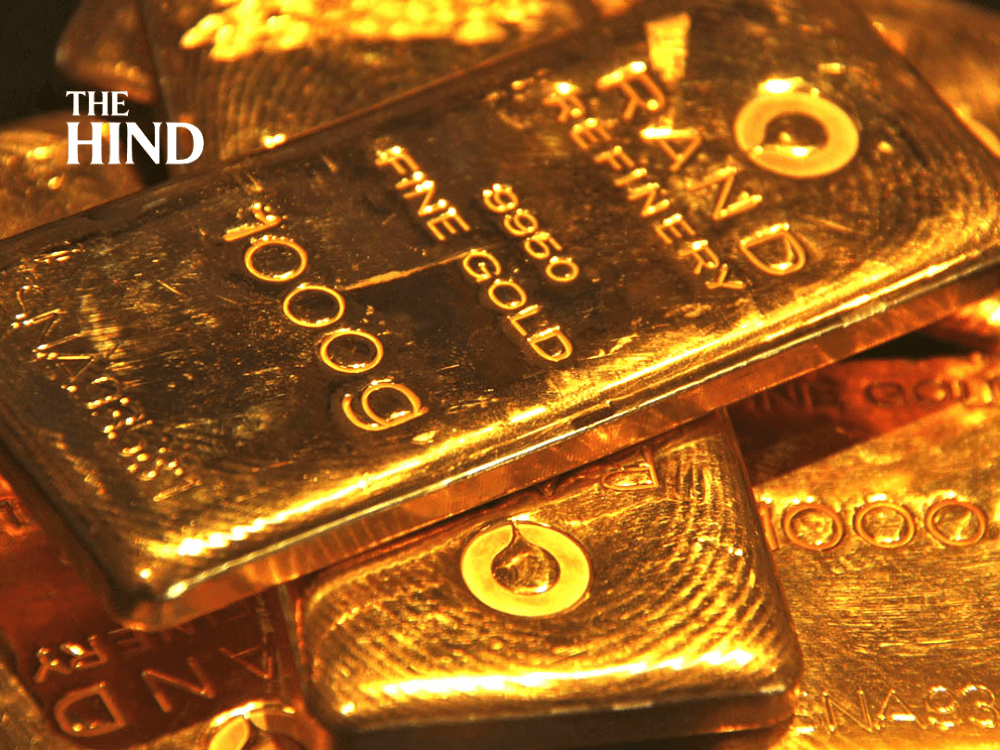
In October 2025, India recorded its largest-ever merchandise trade deficit — $41.7 billion in a single month. The culprit was not oil. It was gold. In that one month alone, India imported $14.7 billion worth of the metal — nearly 200% more than the same month the previous year — as festive season demand collided with surging global prices and a fast-growing investment appetite. The October number was a flashpoint, but it was not an anomaly. It was the concentrated expression of a structural challenge that India has been accumulating for decades and has yet to fully resolve.
Gold is India's second-largest import after crude oil. It is also, unlike crude oil, largely non-productive. It does not power factories, fuel aircraft, or build infrastructure. It sits in lockers, adorns weddings, and increasingly, flows into ETFs. And yet India imported $58.9 billion worth of gold in 2025 alone — a figure that, combined with $9.2 billion in silver imports, consumed nearly 10% of the country's entire foreign exchange reserves. For a nation targeting $1 trillion in merchandise exports and working hard to contain its current account deficit, this is a problem that demands honest attention.
The Scale of the Challenge
The numbers tell a stark story. India's cumulative merchandise trade deficit for April–December 2025 reached $96.58 billion — up from $88.43 billion in the same period the previous year. Gold and silver were central to this deterioration. In January 2026, gold imports soared over 300% year-on-year to $12.07 billion, pushing the monthly trade deficit to a three-month high of $34.68 billion. India's current account deficit is projected to widen to 2.4–2.5% of GDP in the third quarter of FY2026 — a level that places meaningful pressure on the rupee and complicates the Reserve Bank of India's monetary management.
The rupee has felt the pressure directly. The combination of gold import surges, foreign institutional investor outflows, and a strengthening dollar pushed the rupee to historic lows in early 2026. Every time gold imports spike — during Diwali, Akshaya Tritiya, or periods of global uncertainty — the currency takes a hit, imports become costlier, and inflationary pressure builds. The feedback loop is well understood and yet difficult to break.
What makes this particularly challenging is that the problem is getting structurally deeper, not shallower. Investment demand for gold — as opposed to jewellery and consumption — now accounts for over 40% of India's total gold consumption, up from under 25% just two years ago. Gold ETF inflows surged 283% in 2025 to a record ₹429.6 billion. Indians are not just buying gold for weddings. They are buying it as a financial asset — a hedge against inflation, currency depreciation, and global uncertainty. And in a year when the rupee weakened, global geopolitical tensions escalated, and domestic equity markets experienced volatility, that instinct was entirely rational.
Why Duty Hikes Are Not the Answer
The instinctive policy response to surging gold imports is to raise customs duties. It has been tried before. In 2013, during a severe rupee crisis, India dramatically hiked gold import duties — and smuggling surged in response, with the grey market absorbing much of the suppressed formal demand. The lesson was clear: duty increases may reduce formal imports, but they do not reduce demand. They redirect it underground, depriving the government of revenue while doing little for the trade balance.
Budget 2026 drew the right conclusion. Finance Minister Nirmala Sitharaman left gold import duties unchanged — a decision that reflected a deliberate policy judgement that tariff intervention is not the right lever at this point. The government signalled instead that it would monitor external sector pressures closely, prioritising stability for the jewellery and bullion industry over sudden tax adjustments. Given that India's gems and jewellery sector employs over 4 million people and generates significant export revenue, this is a balanced call.
But leaving duties unchanged is not the same as having a strategy. The question India needs to answer is not how to suppress gold demand — that is both economically counterproductive and culturally unrealistic — but how to redirect it into channels that serve the broader economy.
Turning the Problem Into an Opportunity
India holds an estimated 25,000 tonnes of gold in household stocks — the largest private gold reserve in the world, valued at over $2.5 trillion at current prices. This is not dead weight. It is an enormous, untapped financial asset sitting outside the formal economy.
The Gold Monetisation Scheme, launched in 2015, was the right idea — but it has underperformed. Indians are reluctant to deposit their gold with banks for reasons of trust, cultural attachment, and low awareness. Revitalising the scheme with better interest rates, stronger bank partnerships, stronger assaying infrastructure, and a genuine campaign to build trust among depositors could unlock a portion of this dormant asset for productive economic use. Even mobilising 5% of India's household gold stock into the formal financial system would represent a transformational shift in India's external balance dynamics.
Simultaneously, India must accelerate its domestic gold refining and recycling capacity. India currently imports the vast majority of its gold in refined form — paying a premium for processing done overseas. Building world-class refining infrastructure domestically would reduce the net foreign exchange outflow per unit of gold consumed, create manufacturing jobs, and position India's jewellery and bullion industry more competitively in global markets.
The most sustainable long-term response, however, is to deepen India's financial markets. Indians buy gold partly because it is the most accessible, trusted, and inflation-resistant savings instrument available to them — particularly for the hundreds of millions who remain outside the formal investment ecosystem. As equity markets deepen, as mutual fund penetration grows, as real interest rates on deposits improve, and as financial literacy expands, a structural shift away from gold as the default savings vehicle becomes possible. This is a decade-long project — but it is the only durable solution.
The Strategic Dimension
There is a broader strategic angle that India cannot ignore. Gold demand in India is not merely a domestic economic issue — it is a geopolitical one. India's dependence on gold imports makes it vulnerable to global price movements driven by US Federal Reserve policy, dollar dynamics, and geopolitical crises entirely outside India's control. The Iran war's disruption of energy markets, the resulting dollar strength, and global safe-haven flows into gold have all directly inflated India's import bill in 2025–26. India is paying a premium for instability it did not create.
Reducing this vulnerability requires the same strategic logic India applies to energy — diversification, domestic capacity building, and the construction of financial buffers. Just as India has built strategic petroleum reserves and diversified its crude supply base, it must build the institutional infrastructure to absorb gold demand domestically — through monetisation, recycling, and financial market development — rather than exporting the full foreign exchange cost of that demand overseas.
India's gold problem is real, but it is also manageable. The country has the policy tools, the institutional capacity, and the economic depth to transform a structural vulnerability into a strategic asset. What it needs is the same focused intent it has applied to semiconductors, renewable energy, and digital infrastructure — a comprehensive, long-term plan that treats gold not as an embarrassing import habit, but as a problem with a solution worth investing in.
The Hind covers policy, power, and strategic affairs from India's perspective. Views expressed are analytical and editorial.
Type something …
Search
Latest Post

Iran's new Supreme Leader has been chosen in a wartime succession driven by the IRGC — not a clerica...
Mar 5, 2026